TMJ Treatment in Fair Lawn, NJ
Temporomandibular joint (TMJ) dysfunction causes jaw pain, clicking, headaches, and difficulty chewing that can significantly affect your quality of life. At Back2Health in Fair Lawn, NJ , we treat TMJ disorders with an integrated approach that addresses the jaw joint itself alongside the cervical spine and muscle contributors — providing effective, lasting relief without invasive procedures. Call (201) 820-3343 to schedule your evaluation today.
Understanding TMJ Dysfunction
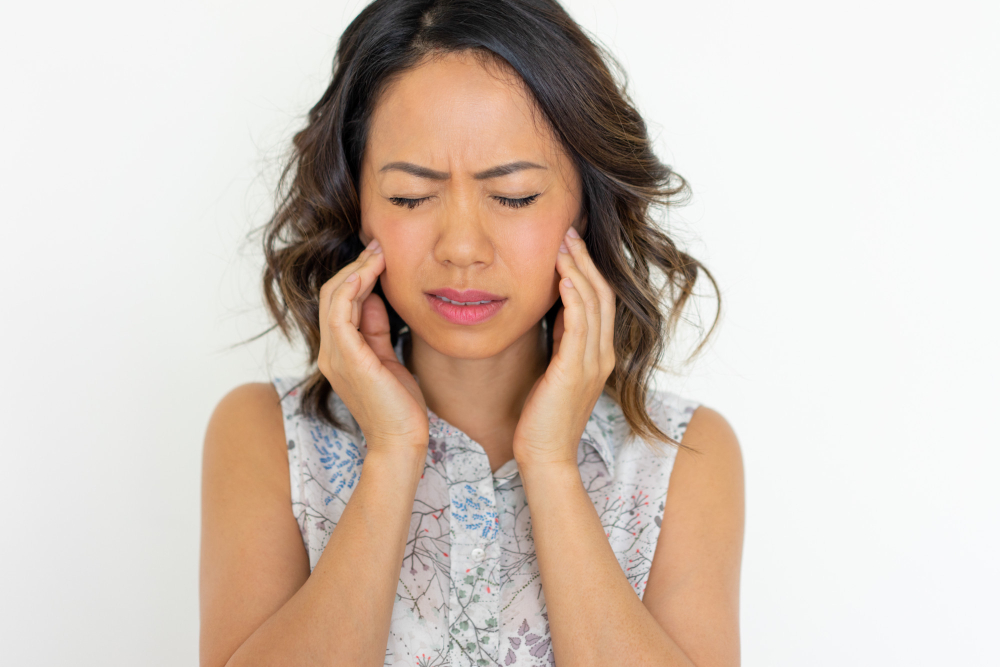
The temporomandibular joints (TMJ) are the hinge joints connecting your jaw (mandible) to your skull on each side of your face, just in front of your ears. These joints work in concert with the muscles and ligaments of the jaw to allow chewing, speaking, yawning, and swallowing. Temporomandibular disorder (TMD) is an umbrella term covering dysfunction of the TMJ, its associated muscles, and the surrounding structures. Common TMD symptoms include jaw pain or tenderness, clicking, popping, or grinding sounds when opening and closing the mouth, difficulty fully opening the mouth, jaw locking, pain when chewing, earaches, facial pain, headaches, and neck pain.
Common causes and contributors to TMD include bruxism (teeth grinding and clenching — often during sleep), dental malocclusion (bite misalignment), jaw trauma or injury, stress and anxiety producing chronic jaw muscle tension, cervical spine dysfunction that creates referred tension into the jaw muscles, poor head posture increasing load on the jaw, and arthritic changes within the TMJ. At Back2Health in Fair Lawn, NJ , we address both the jaw joint and the cervical and postural contributors to TMD for the most complete treatment outcomes.
Our TMJ Treatment Approach
At Back2Health, TMJ treatment combines targeted jaw care with cervical spine and postural rehabilitation. Your care plan may include joint mobilization techniques for the TMJ to restore normal movement and reduce joint restriction, cervical chiropractic adjustments to address the neck dysfunction that frequently coexists with and contributes to TMD, therapeutic massage targeting the masseter, pterygoid, and temporalis muscles, cold laser therapy for TMJ inflammation and muscle spasm, postural correction to reduce the cervical loading that feeds jaw tension, jaw exercises to restore normal movement patterns and muscular balance, and stress and habit modification counseling for bruxism management. We coordinate with your dentist when a nightguard or occlusal adjustment is indicated.
Frequently Asked Questions About TMJ Treatment
What are the symptoms of TMJ disorder?
TMJ disorder symptoms include jaw pain or tenderness, clicking or popping when opening or closing the mouth, limited jaw opening, jaw locking, pain while chewing, earaches without infection, facial pain, headaches that originate at the temples, and neck pain or stiffness. At Back2Health in Fair Lawn, NJ , we evaluate all of these symptoms comprehensively during your initial assessment.
Can chiropractic care treat TMJ disorder?
Yes. Chiropractic care at Back2Health treats TMJ disorder through direct jaw joint mobilization combined with cervical spinal adjustments that address the neck dysfunction contributing to jaw tension and pain. The cervical spine and TMJ are closely connected neurologically and anatomically — treating both together consistently produces better outcomes than treating the jaw alone.
Can neck problems cause jaw pain?
Yes. The upper cervical spine is in close neurological proximity to the TMJ, and cervical misalignment can contribute to referred pain, muscle tension, and altered jaw mechanics. Many patients with TMJ disorder have underlying cervical dysfunction that perpetuates their symptoms, which is why Back2Health always evaluates and treats the cervical spine as part of TMJ care.
Can stress cause TMJ problems?
Yes. Stress is one of the most significant contributors to TMJ disorder because it drives clenching and bruxism (teeth grinding), chronic elevation of jaw muscle tension, and overall sympathetic nervous system overactivation that heightens musculoskeletal pain. At Back2Health, stress management strategies are an important part of our TMJ treatment program, alongside clinical care.
Is a nightguard enough to treat TMJ disorder?
A nightguard protects teeth from bruxism damage and reduces the joint load from clenching, but it does not correct the underlying joint dysfunction, muscular imbalances, or cervical spine contributions to TMD. At Back2Health, we recommend nightguards as a useful adjunct for bruxism patients, but they are most effective when combined with the active rehabilitation and chiropractic care that addresses the root causes of TMJ symptoms.
Can TMJ cause headaches?
Yes. TMJ-related headaches — particularly temporal headaches and headaches at the base of the skull — are very common and often misdiagnosed as tension headaches or migraines. At Back2Health, we identify TMJ-driven headaches through clinical evaluation of the jaw, cervical spine, and muscle function, and our treatment consistently reduces or eliminates these headaches alongside jaw symptoms.
How long does TMJ treatment take?
Most patients with acute or mild TMJ disorder experience significant improvement within 4 to 8 weeks of treatment at Back2Health. More complex or chronic cases — particularly those with significant joint degeneration, disc displacement, or longstanding bruxism — may require a longer treatment program. Your chiropractor will provide a realistic treatment timeline after your initial evaluation.