Plantar Fasciitis Treatment in Fair Lawn, NJ
Plantar fasciitis is the most common cause of heel pain, affecting more than 2 million Americans every year. That sharp, stabbing pain in your heel — especially those first agonizing steps out of bed each morning — is a hallmark of this condition. At Back2Health in Fair Lawn, NJ , we provide targeted, evidence-based plantar fasciitis treatment that resolves heel pain and addresses the biomechanical causes that drive it. Call (201) 820-3343 to schedule your evaluation today.
What Is Plantar Fasciitis?
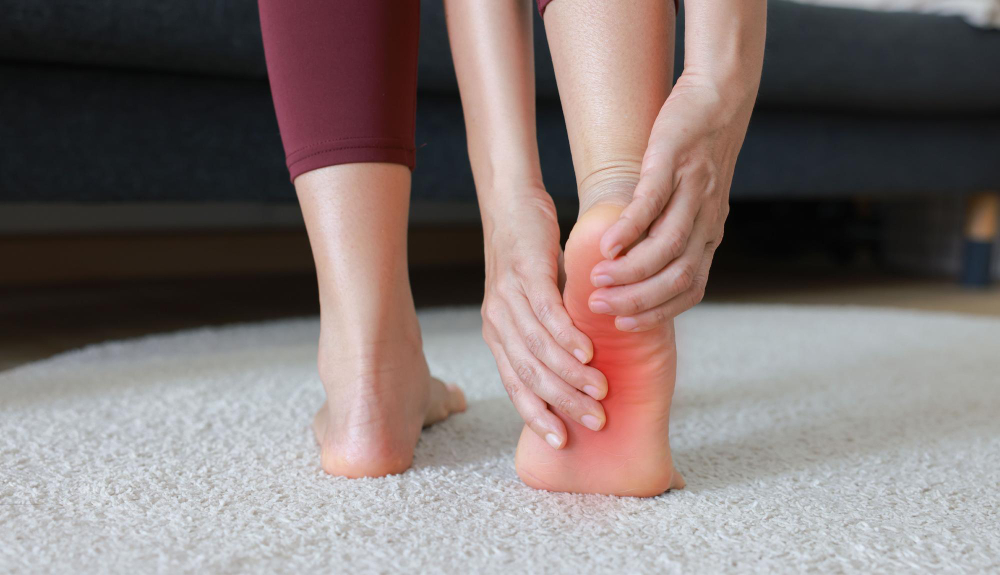
The plantar fascia is a thick band of connective tissue running along the bottom of the foot, connecting the heel bone (calcaneus) to the base of the toes. It acts as a shock absorber and supports the arch of the foot during walking, running, and standing. Plantar fasciitis occurs when repetitive stress causes micro-tears and degenerative changes within the plantar fascia — most commonly at its attachment point on the heel bone. This produces the characteristic sharp, stabbing heel pain that is worst with the first steps in the morning or after prolonged rest, as the fascia tightens overnight and is abruptly loaded upon rising.
Risk factors for developing plantar fasciitis include prolonged standing or walking on hard surfaces, running — particularly with a sudden increase in mileage or intensity, tight calf muscles and Achilles tendons, foot mechanics problems such as flat feet (excessive pronation) or high arches, obesity, wearing unsupportive footwear, and age-related tissue changes. At Back2Health in Fair Lawn, NJ , we treat the local plantar fascia inflammation alongside the full range of contributing biomechanical factors for the most complete and durable recovery.
Our Plantar Fasciitis Treatment Approach
At Back2Health in Fair Lawn, NJ , plantar fasciitis treatment is comprehensive and addresses both the symptomatic heel and the biomechanical contributors throughout the lower extremity. Your care plan may include cold laser therapy — one of the most effective treatments for plantar fascia inflammation and collagen remodeling, foot and ankle joint manipulation to restore normal mechanics, targeted plantar fascia and calf stretching protocols, strengthening exercises for the intrinsic foot muscles, lower leg, and hip stabilizers, gait analysis to identify abnormal foot loading patterns, footwear and orthotics guidance, and night splinting guidance to keep the fascia stretched during sleep. We also address lumbar spine and hip contributors when lower extremity alignment is involved in abnormal foot mechanics, providing the whole-body view your recovery requires.
Frequently Asked Questions About Plantar Fasciitis Treatment
What does plantar fasciitis feel like?
Plantar fasciitis most characteristically produces a sharp, stabbing pain on the bottom of the heel — often described as stepping on a nail — that is worst with the first steps of the morning or after extended periods of rest. The pain typically improves after a few minutes of walking as the fascia warms up, but worsens again after prolonged standing or at the end of an active day.
How long does plantar fasciitis take to heal?
With consistent treatment at Back2Health addressing both the local inflammation and biomechanical causes, most plantar fasciitis cases improve significantly within 6 to 10 weeks. Cases with longer symptom duration or significant structural contributors may take 3 to 6 months for full resolution. Addressing the root causes — not just the heel pain — is critical to preventing recurrence.
Can cold laser therapy help plantar fasciitis?
Yes. Cold laser therapy at Back2Health is one of the most effective treatments for plantar fasciitis. It delivers targeted light energy to the plantar fascia insertion, stimulating cellular repair, reducing inflammation, and promoting collagen remodeling within the damaged fascia tissue. Many patients experience significant pain reduction within the first several sessions.
Do I need custom orthotics for plantar fasciitis?
Some patients benefit from custom or semi-custom orthotics to correct abnormal foot mechanics — particularly excessive pronation — that contribute to plantar fascia overload. At Back2Health, we assess your foot mechanics and gait before making orthotics recommendations, ensuring that any footwear intervention is truly indicated and appropriately designed for your specific biomechanics.
Can tight calf muscles cause plantar fasciitis?
Yes. Tight calf muscles and a restricted Achilles tendon are among the most common contributors to plantar fasciitis, as they increase the tensile load on the plantar fascia during walking and running. At Back2Health, calf stretching, Achilles mobility work, and addressing the lumbar and hip factors affecting lower leg tension are integral parts of our plantar fasciitis treatment program.
Should I rest completely from activity with plantar fasciitis?
Complete rest is generally not recommended, as it allows the plantar fascia to tighten further and the surrounding musculature to weaken. At Back2Health, we recommend activity modification — reducing high-impact loading while maintaining low-impact movement — alongside active rehabilitation. The goal is to reduce load on the fascia while keeping the foot mobile and the supporting muscles strong.
What shoes should I wear if I have plantar fasciitis?
Shoes with adequate arch support, cushioning in the heel, and a slight heel elevation are generally recommended for plantar fasciitis. Completely flat shoes, flip-flops, and barefoot walking on hard surfaces should be avoided during recovery. At Back2Health, we provide specific footwear guidance as part of your plantar fasciitis treatment plan based on your foot type and activity level.